Smart glasses
Google Glass: what happened to Google's glasses? And what is coming with Android XR
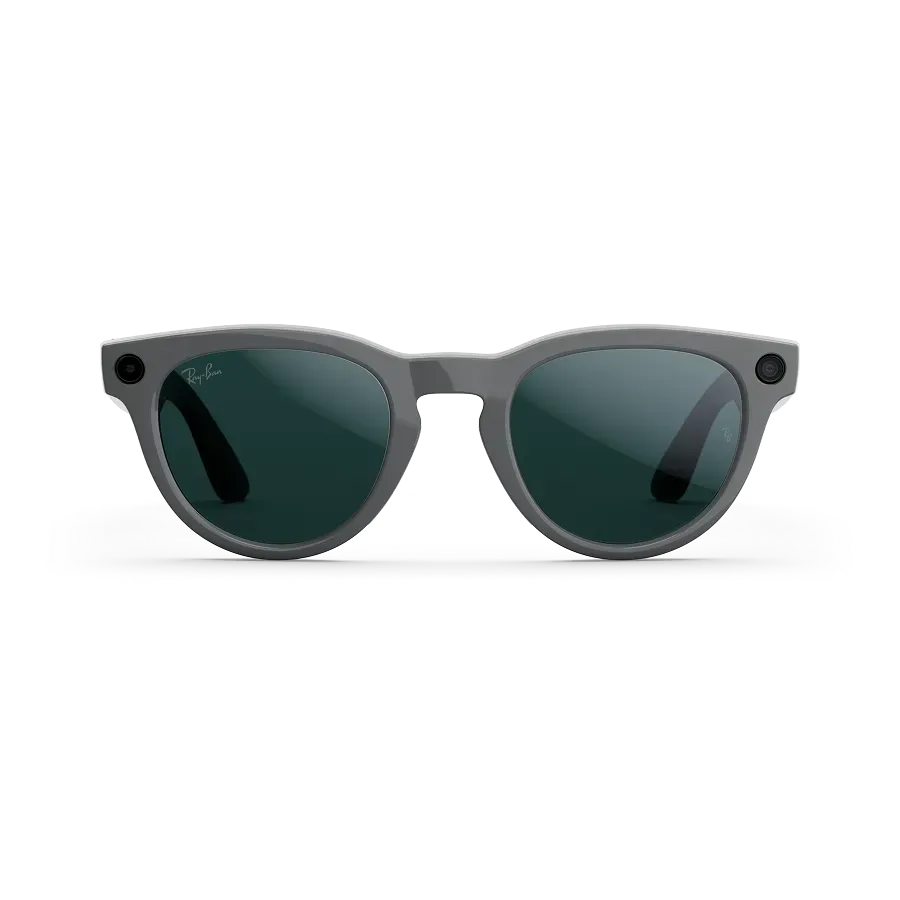
Before Ray-Ban Meta, there was Google Glass. Many people still search for it online, often without knowing that it is no longer sold. Here is its story, what it taught us, and what Google is preparing today.
2013: a bet far ahead of its time
In 2013 Google launched its “Glass Explorer” programme, reserved for a small number of pioneers. The idea: a frame with a small display above the right eye, a camera and voice control to show maps, searches or the weather. On paper, that is exactly what today's smart glasses promise.
Why Google Glass failed
- Privacy: a camera permanently pointed at other people provoked strong rejection, to the point of earning wearers a mocking nickname.
- Style: the device looked more like a laboratory gadget than a pair of glasses.
- Usefulness: few truly convincing everyday uses, for a high price.
Google discontinued the consumer version as early as 2015.
2017–2023: a second life in business
Glass returned in 2017 under the name Glass Enterprise Edition, aimed at factories, logistics and healthcare, where having your hands free really matters. A second version came out in 2019. But Google ended sales on 15 March 2023, then support in September of the same year. So Google Glass was discontinued twice.
What today's glasses have learned
Current smart glasses have learned the lessons of that failure:
- Style first: Meta teamed up with Ray-Ban and Oakley for frames you would wear anyway.
- A signalled camera: a visible light shows when Ray-Ban Meta glasses are filming.
- Simple uses: music, calls, photos, translation and an AI assistant, rather than a mini-computer on your nose.
- The camera-free option: for those bothered by the camera, there are audio or display-only models, such as Even Realities G2.
Google's return with Android XR
Google has not given up on the idea. With Samsung, it is developing glasses running Android XR, designed by the eyewear brands Warby Parker and Gentle Monster, with the Gemini assistant built in. Two families are planned: AI glasses without a display, then models with a display in the lens. At its May 2026 conference, Google announced that the first audio glasses would arrive in autumn 2026. Prices and availability in Switzerland had not yet been confirmed at the time of writing.
What to choose in the meantime?
If you were looking for “Google Glass”, what you want already exists in a far more accomplished form. To understand the different families, read Smart glasses: what are they and how do they work?, then discover our selection of smart glasses.
Sources
- 9to5Google, “Google has discontinued the Glass Enterprise Edition” – 9to5google.com
- Mobile World Live, end of Glass Enterprise sales – mobileworldlive.com
- Reuters via BNN Bloomberg, “Warby Parker, Google to launch AI-powered smart glasses in 2026” – bnnbloomberg.ca
- Droid Life, “Android XR launch fall 2026” – droid-life.com


