Smart glasses
Smart glasses comparison 2026: Ray-Ban Meta, Even G2, Xreal One Pro, RayNeo Air 4 Pro, Xiaomi
Even G2, Xreal One Pro, RayNeo Air 4 Pro, Xiaomi AI Glasses… The names of smart glasses are multiplying, but these products are not in the same category. Before comparing spec sheets, you need to know what you want to do with them.
The summary table
| Model | Type | Camera | Display | Price range |
|---|---|---|---|---|
| Ray-Ban Meta Gen 2 | Everyday AI glasses | Yes, 12MP, 3K video | No | Mid-range · See the price |
| Even Realities G2 | Heads-up display | No | Monochrome, both lenses | Premium |
| Xreal One Pro | Wired portable screen | Optional | Full HD per eye, 57° | Premium |
| RayNeo Air 4 Pro | Wired portable screen | No | Full HD per eye, HDR10 | Entry level |
| Xiaomi AI Glasses | Everyday AI glasses | Yes, 12MP | No | Entry level (China only) |
Ray-Ban Meta Gen 2: the versatile benchmark
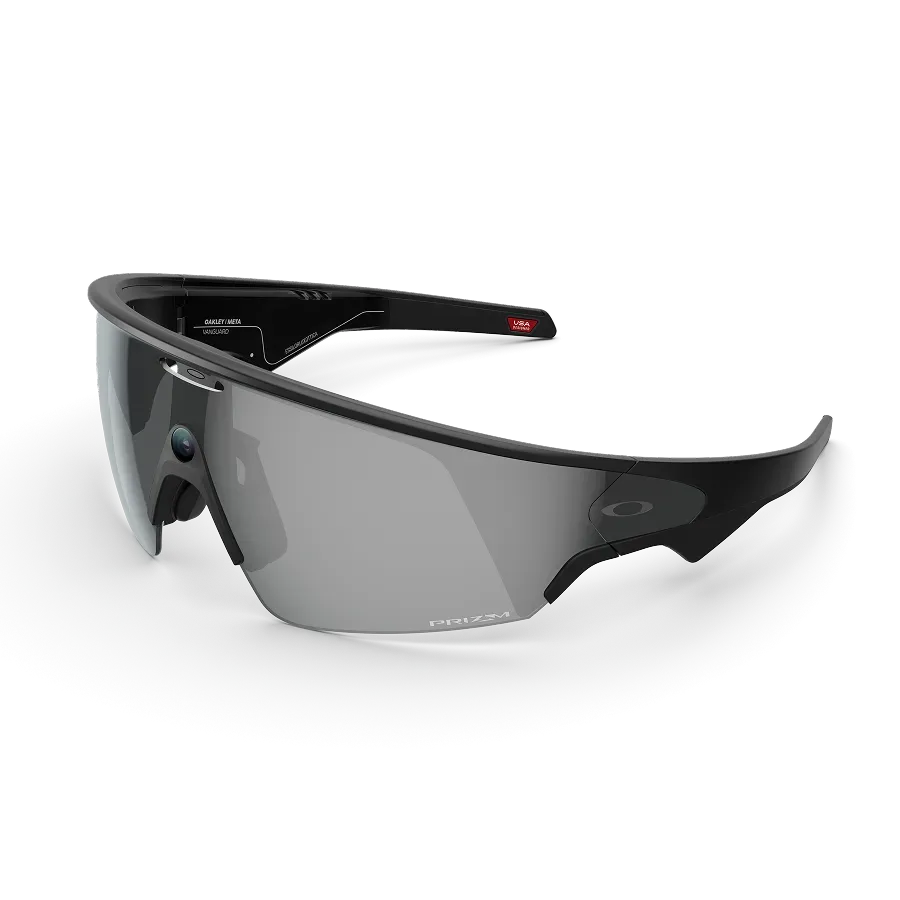
12MP camera, 3K video of up to 3 minutes, music, calls, Meta AI and up to 8 hours of battery life: this is the most complete model for everyday use, in a classic Ray-Ban style. The Optics versions are designed for prescription lenses, and the Oakley Meta Vanguard adapts the formula for sport.
Who is it for? Those who want to film, listen and question the AI without changing their look.
Even Realities G2: the discreet display, without a camera
Even G2 weighs around 36 g and shows monochrome information in both lenses: translation, teleprompter, navigation, notifications. It has neither camera nor speaker, a deliberate choice for privacy. Quoted battery life is around two days. It sits at the premium end, with prescription lenses and the optional R1 control ring as extras.
Who is it for? Professionals who want to read information without taking out their phone. On the other hand, no photos and no music.
Xreal One Pro: the premium big virtual screen
Xreal One Pro plugs via USB-C into a phone, a PC or a console and shows a giant virtual screen, with a 57° field of view, two Sony Full HD micro-OLED panels at 120 Hz and sound by Bose. It weighs around 87 g.
Who is it for? Travellers and gamers who want a portable cinema or second screen. It does not replace everyday glasses.
RayNeo Air 4 Pro: the best screen for the money
Same principle as the Xreal, at a gentler price: Full HD screens per eye at 120 Hz, up to 1,200 nits, HDR10 support (a first for this type of product) and audio tuned by Bang & Olufsen. It weighs around 76 g and works with iPhone, Android, Mac, Steam Deck or consoles over USB-C.
Who is it for? A first portable screen for films and games, without breaking the bank.
Xiaomi AI Glasses: the Chinese alternative to Ray-Ban Meta
12MP camera, Snapdragon AR1 chip, around 40 g and quoted battery life of about 8.6 hours: Xiaomi AI Glasses take direct aim at Ray-Ban Meta. But they are still sold only in China, with a Chinese-language assistant. Importing a pair therefore raises questions of language, warranty and after-sales service.
Our verdict
- Glasses to wear all day, with camera and AI: Ray-Ban Meta or Oakley Meta, available with a warranty in Europe.
- Displaying text without a camera: Even Realities G2.
- A giant screen for films and games: RayNeo Air 4 Pro for the budget, Xreal One Pro for the premium end.
Just starting out? Begin with our guide Smart glasses: what are they and how do they work?
Sources
- Notebookcheck, “Even G2 Smart Glasses mit 1.200 Nits Micro-LED-Display starten in den Verkauf” – notebookcheck.com
- BGR, “Even G2 Takes On Meta AI Smart Glasses” – bgr.com
- TechRadar, “Xreal One Pro review” – techradar.com
- Tom’s Hardware, “RayNeo Air 4 Pro AR glasses review” – tomshardware.com
- PC-WELT, RayNeo Air 4 Pro – pcwelt.de
- GadgetMatch, “The new Xiaomi AI Glasses want to challenge Ray-Ban and Meta” – gadgetmatch.com
- Meta, “Ray-Ban Meta (Gen 2) Available Now” – meta.com


